


How the Nissan LEAF Makes Everyday Driving More Efficient in West Bend, WI
Russ Darrow Nissan of West Bend – How the Nissan LEAF Makes Everyday Driving More Efficient in West Bend, WI
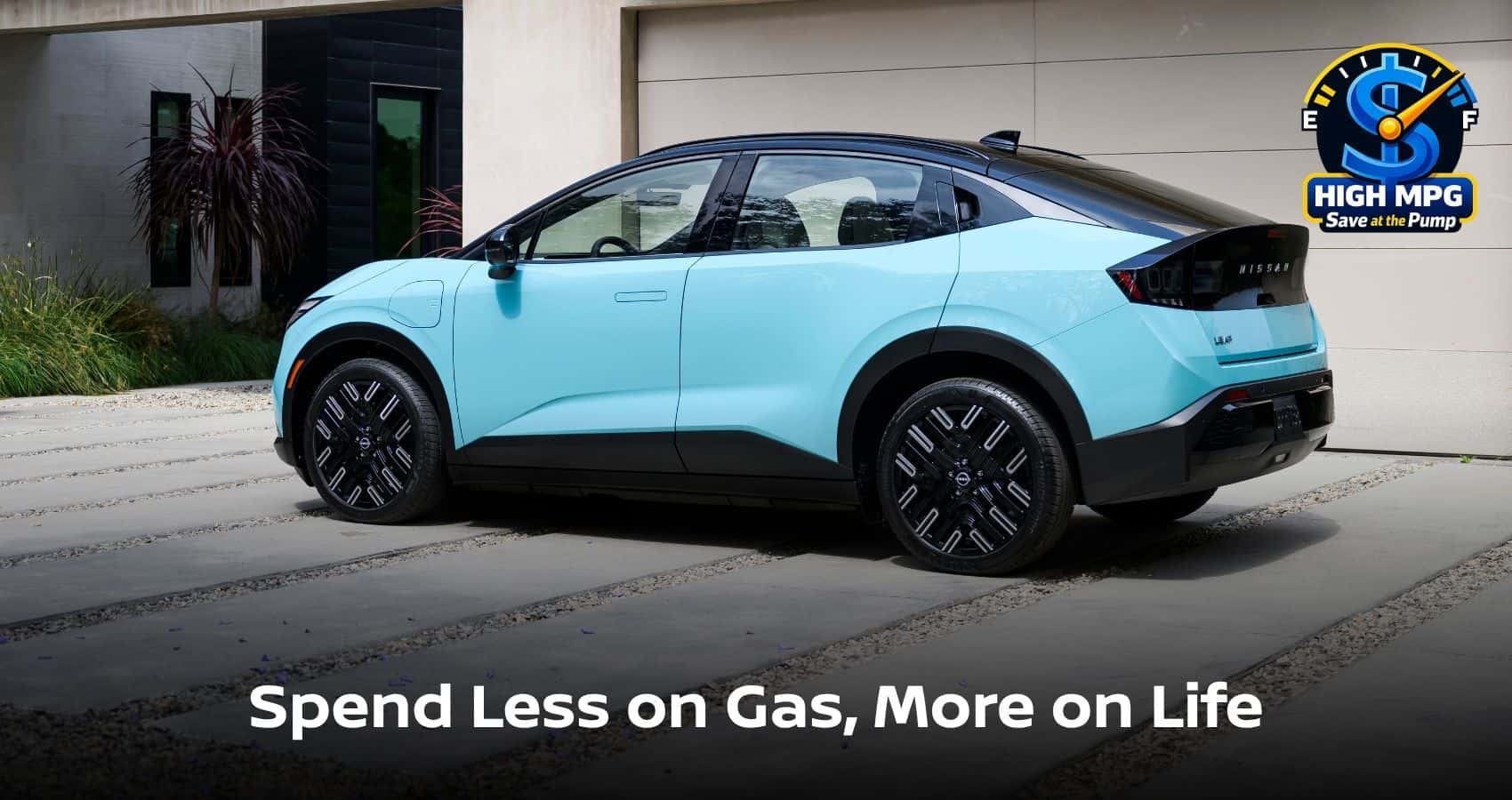
If you have been curious about going electric, the Nissan LEAF delivers a friendly on-ramp to EV ownership with practicality, value, and technology that fit everyday life in West Bend. It is easy to drive and surprisingly versatile for errands along W Washington St, school drop-offs, or a quick hop onto US 45 for a commute toward Milwaukee. In short, the LEAF makes the transition to electric simple while giving you the smooth, quiet drive EVs are known for.
At our showroom in West Bend, we talk with drivers who want the benefits of an EV without complication. The LEAF is built around that idea. It offers approachable range, a spacious hatchback design, and technologies that take the stress out of commuting and parking around Downtown West Bend. You get instant torque for confident merges, whisper-quiet cruising for neighborhood streets, and the convenience of charging at home so you can start each morning with a “full tank.”
There is also the practicality piece—something local drivers value. The LEAF’s hatchback layout makes quick work of grocery runs, sports gear, and weekend supplies. The compact footprint helps when sliding into parallel spots near the Museum of Wisconsin Art or along local side streets. Many versions include Nissan Safety Shield 360 driver-assist features, and available ProPILOT Assist can help with smoother highway driving when your route takes you down US 45. It feels familiar but distinctly modern, which is exactly what many first-time EV shoppers want.
Range confidence matters, too. Most daily driving around West Bend falls well within the LEAF’s capability—think school drop-offs, a commute to nearby business parks, and an evening out downtown—all on a single charge. Depending on configuration and conditions, the LEAF offers roughly 150 to 200-plus miles of range. For many households, that means plugging in at home a couple of times per week is enough. When you do need to add miles quickly, public charging is increasingly accessible throughout the region, including along major corridors you already use.
- Level 1 charging at home: Plug into a standard 120V outlet for light daily needs or topping off overnight—great for low-mileage drivers.
- Level 2 charging at home: A 240V wall unit in your garage can add dozens of miles in just a few hours, easily covering daily West Bend driving with room to spare.
- Public Level 2 charging: Useful for destination charging while you shop, dine, or visit local parks—park, plug in, and return to more range.
- DC fast charging: When you need quick miles on a road trip or a busy day, fast chargers can take you from low to a substantial charge in the time it takes for a coffee and a stretch.
Cost of ownership is another reason the LEAF stands out. Electricity typically costs less per mile than gasoline, and charging at home—especially on an off-peak plan if available from your utility—can drive that cost even lower. A simple way to estimate: multiply your local cost per kWh by the LEAF’s approximate kWh per 100 miles to see your per-100-mile energy cost, then compare that with the price of gasoline divided by your current mpg. Many drivers see meaningful savings month after month.
- Fewer routine services: No oil changes, no spark plugs, no timing belts—just straightforward maintenance that is easier to plan and budget.
- Longer brake life: Regenerative braking helps slow the car while recapturing energy, which can extend brake pad life versus many gas vehicles.
- Consistent performance: Fewer moving parts and an electric motor’s simplicity support reliable, repeatable performance.
- At-home refueling: Waking up to a full charge saves time and eliminates regular gas station stops—especially helpful on busy weekdays.
The LEAF’s driving feel is a highlight. Instant torque helps with quick merges from on-ramps near US 45 and responsive city driving. Available e-Pedal lets you accelerate and slow using a single pedal—press to go, ease off to slow—making stop-and-go traffic smooth and intuitive. The battery’s placement contributes to a low center of gravity for stable handling through curves and roundabouts. Add in intuitive infotainment, smartphone integration, and available features like intelligent cruise control, and you have a car that reduces effort from the moment you set off.
Local practicality shows up in everyday details. For many West Bend households, a Level 2 home charger is the sweet spot—plug in when you get home and wake up ready for the day. If you live in a townhome or apartment, consider workplace charging or a shared community solution. For weekend trips toward the Kettle Moraine area or down to the Milwaukee suburbs, the growing regional network of public chargers supports flexible planning. Cold snaps can affect EV range, as with any battery-powered device, but preconditioning the cabin while plugged in and using heated features strategically can help keep range predictable without sacrificing comfort.
Getting EV-ready is easier when you follow a simple checklist. Use the steps below to match your daily habits with the LEAF’s strengths and build charging into your routine.
- Map your miles: Track your typical weekday and weekend driving for a week—most drivers log less than 40 miles per day.
- Choose your charging plan: Decide between Level 1 and Level 2 at home based on your daily miles and schedule; ask about off-peak rates if available.
- Check electrical readiness: If you opt for Level 2, talk with a licensed electrician about installing a 240V outlet or wall unit in your garage.
- Explore public charging: Identify a few convenient Level 2 and DC fast chargers along your regular routes as a backup plan.
- Plan total ownership costs: Compare energy, maintenance, and potential incentives to your current vehicle to see the full savings picture.
- Schedule a test drive: Experience e-Pedal, the quiet ride, and the tech features in person—comfort and confidence matter.
An EV should make life simpler—and the Nissan LEAF does exactly that. It drops right into daily routines around West Bend, from errands and commutes to weekend plans, while lowering running costs and delivering a refined driving experience. If you are planning your first electric car or adding a second vehicle to the household, the LEAF’s blend of range, value, and practicality is easy to recommend.
Our team is here to guide you through charging options, trims, feature sets, and ownership questions, serving Slinger, Pewaukee, and Menomonee Falls with a straightforward, transparent process. Visit Russ Darrow Nissan of West Bend to experience the Nissan LEAF in person, compare charging solutions, and take the first step toward an easier, more efficient drive.
Frequently Asked Questions:
How far can the Nissan LEAF go on a charge?
Depending on configuration and conditions, the LEAF typically offers roughly 150 to 200-plus miles of range. Factors like temperature, speed, terrain, and accessory use will influence your actual range, so plan using your typical routes and driving style.
Can I charge a LEAF with a regular household outlet?
Yes. Level 1 charging uses a standard 120V outlet and works well for light daily driving or topping off. For most households, a 240V Level 2 charger at home is the best balance of speed and convenience.
How long does it take to charge at home?
On a 240V Level 2 home charger, most owners add dozens of miles in a few hours and can refill from low to near full overnight. Exact times vary by battery size and charger rating.
What maintenance does an EV like the LEAF need?
You will still rotate tires, replace cabin air filters, and service brakes as needed. There are no oil changes, spark plugs, or exhaust components. Regenerative braking can also reduce brake wear compared with many gas vehicles.
What happens to range in cold weather?
EV range can decline in cold conditions. Precondition the cabin while plugged in, use heated seats and steering wheel strategically, and keep tires properly inflated. These steps help preserve range and comfort in colder months.
Are there incentives for buying an EV?
Incentives vary and may change. Check current federal, state, and utility programs to see what you qualify for. We can help you review the latest options and factor them into your budget.
Can I take road trips in a LEAF?
Yes—with planning. Use public Level 2 and DC fast chargers along your route. For occasional longer trips, map your charging stops ahead of time and consider how often you will travel beyond daily driving needs.
0 comment(s) so far on How the Nissan LEAF Makes Everyday Driving More Efficient in West Bend, WI