Tire rotation and wheel alignment are often mentioned together, but each service solves a different problem. A tire rotation moves tires from one position on the vehicle to another so tread wear is shared more evenly. A wheel alignment adjusts suspension angles so the tires meet the road at the proper camber, caster, and toe settings. For drivers near Slinger, WI, this distinction matters because daily routes along Highway 60, I-41, and local Washington County roads can expose tires to stop-and-go traffic, uneven pavement, and occasional road impacts. Russ Darrow Nissan of West Bend supports tire rotations, alignments, new tire installation, tire rotation and balance, and multi-point inspections through our service department, with factory-trained technicians who understand Nissan models and many other makes. Rotation is maintenance for tire wear; alignment is calibration for vehicle direction and tire contact. Both help protect tire life, ride comfort, fuel efficiency, and steering feel. If your tires are wearing unevenly, your steering wheel is off-center, or your vehicle pulls to one side, knowing which service to schedule can save time and prevent unnecessary tire replacement.
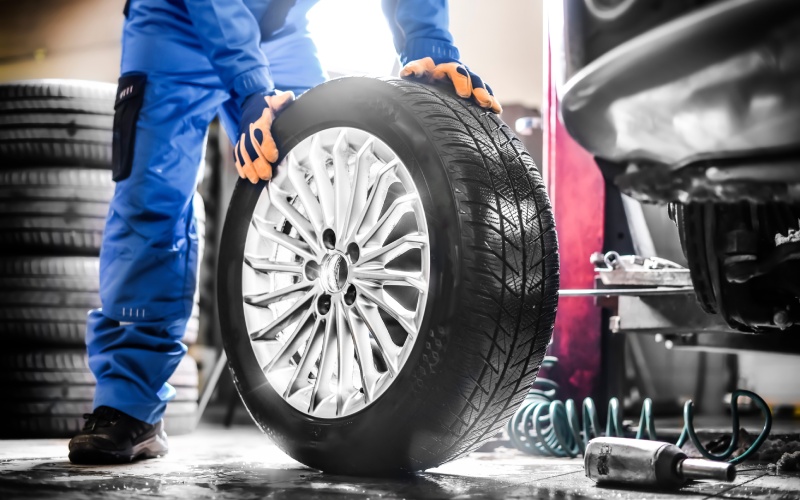

A tire rotation does not change steering geometry or correct a vehicle that pulls. Instead, it helps each tire spend time in different positions, which can reduce cupping, shoulder wear, and uneven tread depth. This is especially useful for Nissan SUVs, sedans, and trucks that handle a mix of commuting, errands, and highway driving near Slinger, WI. During a rotation, technicians can also inspect tire pressure, tread depth, inner liner condition, and visible wear patterns. The service may reveal problems such as overinflation, underinflation, wheel imbalance, or alignment-related wear before the tires become noisy or unsafe. If your tires are directional, staggered, or part of a performance setup, the rotation pattern may be more limited. That is why professional inspection matters. Proper rotation helps extend tire life, improve ride consistency, and support predictable braking and handling.
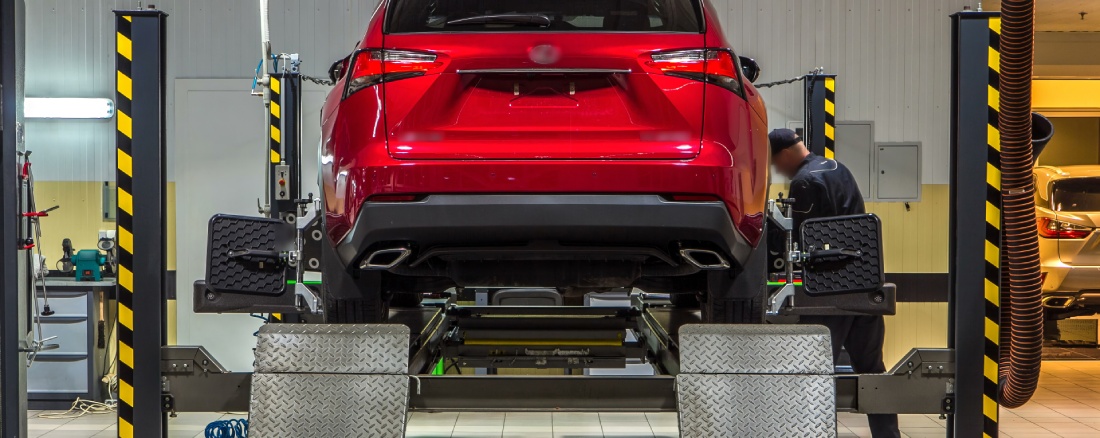
A wheel alignment focuses on the angles of the wheels and suspension, not the location of the tires on the vehicle. The main alignment angles are camber, toe, and caster. Camber describes whether the tire leans inward or outward when viewed from the front. Toe describes whether the tires point slightly inward or outward when viewed from above. Caster influences steering stability and how the wheel returns to center after a turn. When these angles move outside factory specifications, tires can scrub across the pavement rather than roll cleanly. That extra friction can shorten tire life, reduce fuel efficiency, and make the vehicle feel less stable. Russ Darrow Nissan of West Bend offers alignment service as part of our service capabilities, along with diagnostics, tire service, and factory-recommended maintenance. Many vehicles should have alignment checked about once a year or every 12,000 miles, but a check is also smart after hitting a pothole, curb, or road debris, after suspension repairs, or when installing new tires. Local drivers near Slinger, WI may also notice alignment changes after repeated impacts from rough pavement, construction zones, or driveway edges. Alignment is not just about comfort. It helps protect your tire investment and keeps steering response consistent.
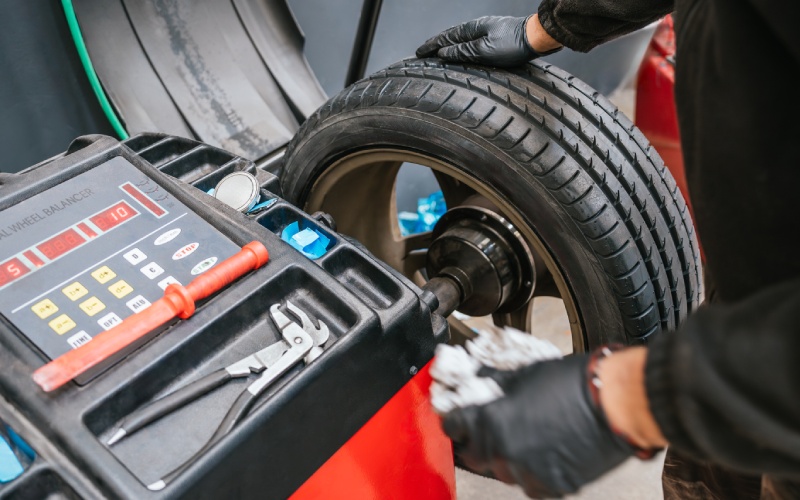
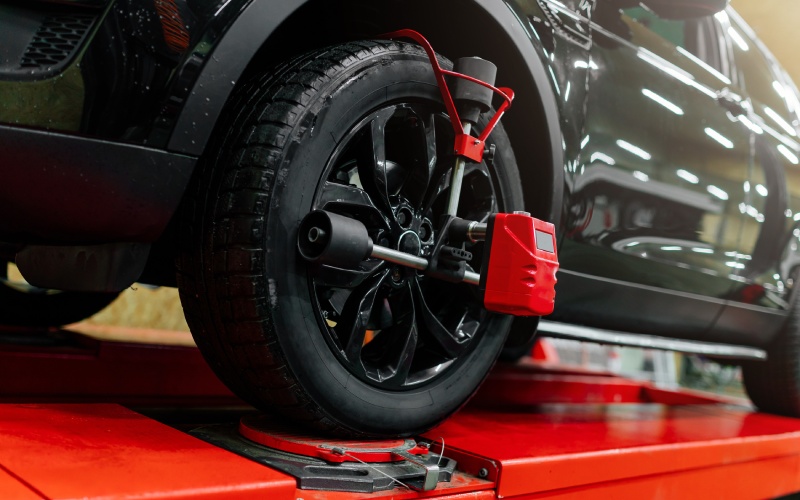
Symptoms can overlap, so a tire inspection is often the best starting point. If your vehicle drives straight but the front tires are wearing faster than the rear tires, rotation may be the primary need. If your vehicle drifts, pulls, or feels unsettled after a road impact, alignment should be checked. If vibration is the main concern, tire balance, wheel damage, or tire condition may be involved. Poor inflation can also mimic other issues by wearing the center or shoulders of the tread unevenly. During a multi-point inspection, technicians can examine tire wear, tread depth, brake condition, suspension components, tie rods, bushings, shocks, struts, and fluid leaks. That broader view matters because worn suspension parts can cause alignment settings to shift again after adjustment. The goal is not simply to perform one service. The goal is to identify the cause of the symptom and help your vehicle drive smoothly, safely, and efficiently.
Do I need an alignment every time I rotate my tires?
No. Tire rotation is routine maintenance, while alignment is usually based on mileage, time, tire wear, steering symptoms, or a road impact. If rotation reveals uneven or angled tread wear, an alignment check is a smart next step.
How often should tires be rotated?
A common guideline is every 5,000 to 7,500 miles, though the correct interval depends on your vehicle, tire type, drivetrain, and owner’s manual. Pairing rotation with oil changes makes the schedule easier to remember.
How often should wheel alignment be checked?
Many drivers benefit from an alignment check once per year or every 12,000 miles. You should also schedule one after hitting a curb or pothole, replacing suspension parts, installing new tires, or noticing pulling, wandering, or an off-center steering wheel.
Can bad alignment ruin tires?
Yes. Incorrect toe or camber settings can create rapid shoulder wear, feathering, or bald spots on one side of the tire. If ignored, alignment wear can shorten tire life and reduce traction.
Does a tire rotation fix vibration?
Sometimes rotation may change where vibration is felt, but vibration usually points to wheel balance, tire damage, bent wheels, or worn suspension components. A technician should inspect and road-test the vehicle if vibration continues.
Tire rotation and wheel alignment work best when viewed as complementary services. Rotation helps tires wear evenly over time, while alignment helps each tire contact the road at the correct angle. If you are only due for routine maintenance, a tire rotation every 5,000 to 7,500 miles may be all you need. If the steering wheel is off-center, the vehicle pulls, or tire wear appears on one edge, an alignment check is the better first move. Russ Darrow Nissan of West Bend makes it simple to care for your tires with service options that include tire rotation and balance, alignments, new tire installation, brake inspections, battery checks, diagnostics, and factory-recommended maintenance. Our service team can also review tread depth, tire pressure, suspension condition, and wear patterns so you receive clear guidance rather than guesswork. For added convenience, our West Bend service department offers online scheduling, Saturday service hours, a comfortable waiting area, and support from trained technicians who service Nissan vehicles most often while also helping with many other makes. If your vehicle is showing tire wear, steering concerns, or vibration, schedule service today and let our team help restore a smoother, more confident drive.